

Duration: 15 days
Mount Everest Base Camp Trek is adventurous tour package right on the foot of World’s highest mountain cliff. EBC is an exciting place and gives lifetime experience to observe nature in the snowy m Read more ➤
We stand together! Support Ukraine against Russian aggression!

Overview
The Everest Base Camp Trek is an unforgettable Himalayan adventure that takes you through the beautiful Sherpa villages, ancient monasteries, and breathtaking landscapes of the Everest region. Enjoy spectacular views of Mount Everest and surrounding peaks, experience Sherpa culture, and re
Highlights
Description
This is a guided 14-day trek from Kathmandu to Everest Base Camp at 5,364 metres and to the Kala Patthar viewpoint at 5,545 metres, with permits, flights, a licensed guide, a porter, hotel nights and all meals on the trail included. The trek is strenuous, the best seasons are March to May and September to November, and the price starts from USD 1,800 per person for a single traveller. The price per person falls as your group grows, and we take groups of up to 20.
The trek lasts 14 days, with 12 of them in the mountains and two nights in Kathmandu. You reach a maximum altitude of 5,545 metres, you sleep in twin-share teahouses on the trail, and you fly to and from Lukla. Your guide has at least seven years of experience in the Everest region, and two trekkers share one porter.
Most people who email us or walk into our office in Thamel begin with the same question, which is whether they can actually do this. After taking 600 to 800 trekkers through the Khumbu every year, our honest answer is yes, as long as you can walk five to seven hours a day on uneven ground for two weeks and you take altitude seriously. You do not need climbing skills, ropes or previous trekking experience. What you need is reasonable fitness, patience, and an itinerary that gives your body time to adapt, which is exactly how this one is built.
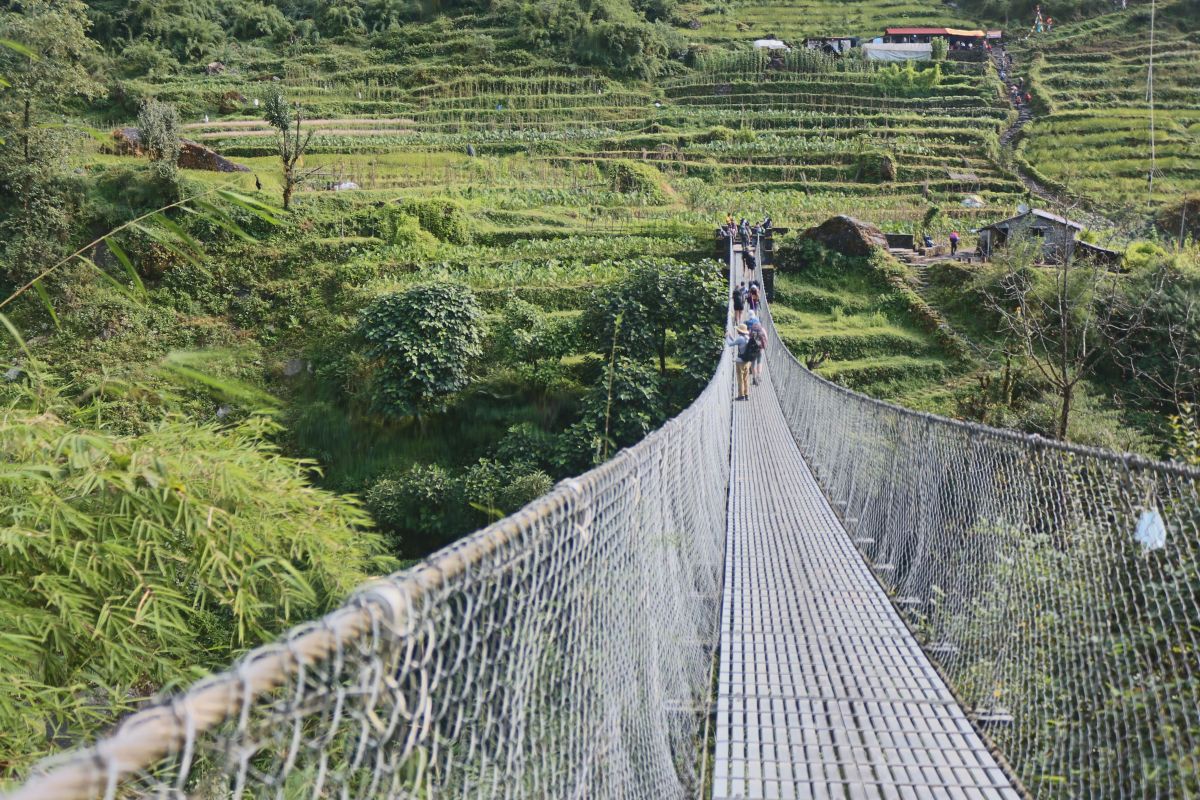
You will fly into Lukla on one of the most dramatic mountain runways in the world, follow the Dudh Koshi river through Sagarmatha National Park, and cross high suspension bridges on the way to Namche Bazaar, the Sherpa capital, where you spend two nights. You will visit Tengboche Monastery beneath Ama Dablam, climb above Dingboche to help your body adjust, and then walk onto open rocky ground toward Lobuche and Gorakshep.
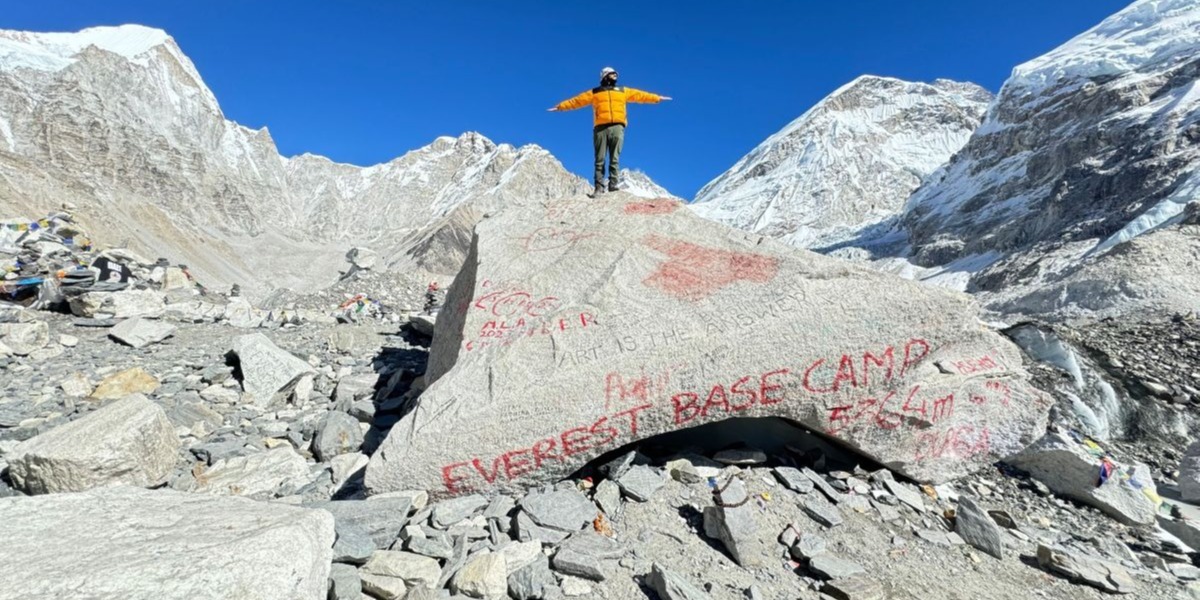
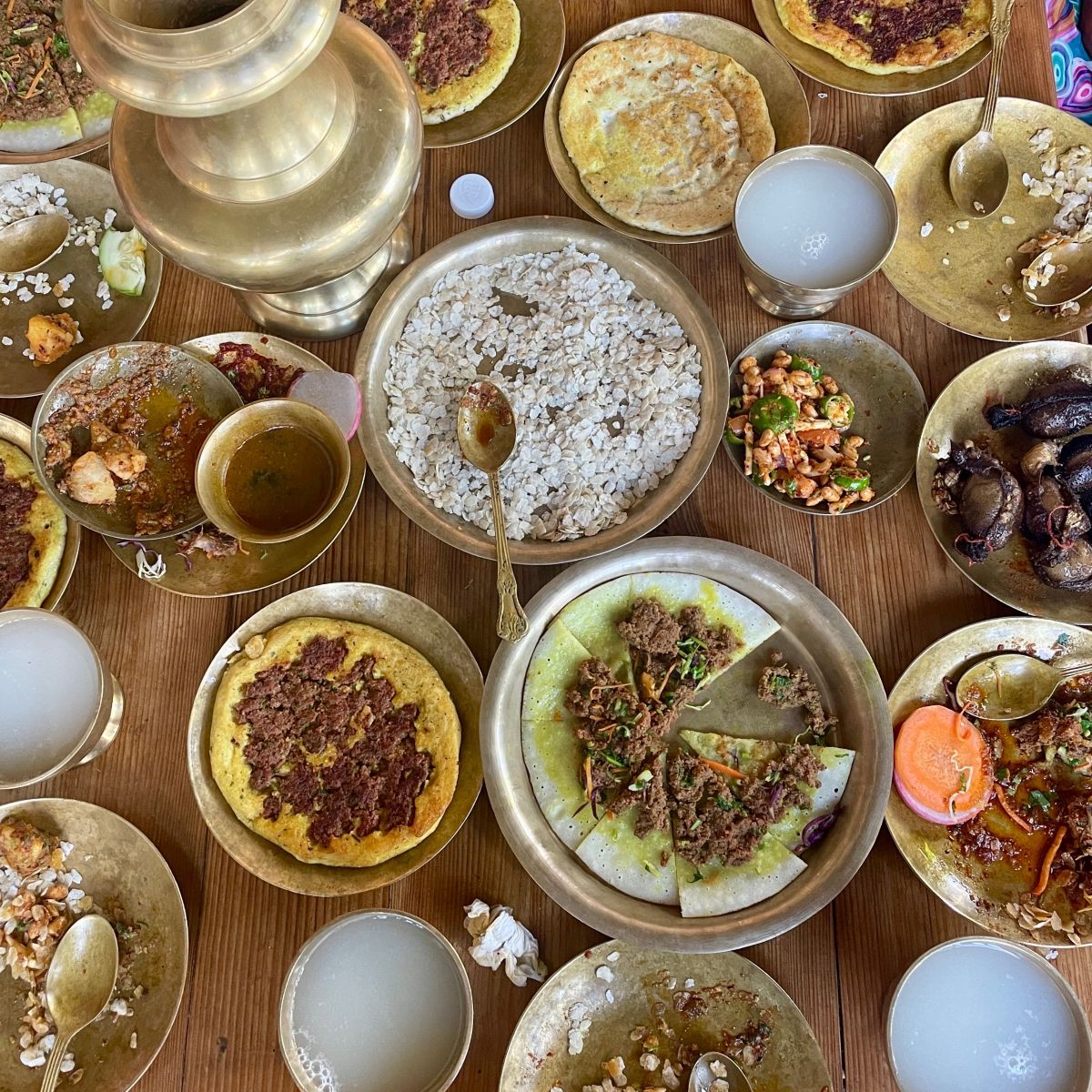
You will stand at Everest Base Camp beside the Khumbu Icefall, and in April and May you will see the expedition tents pitched below it. You will climb Kala Patthar for the Everest view that Base Camp itself does not give you, and you will eat dal bhat in warm teahouses with your guide and porter, then celebrate with them in Lukla at the end.
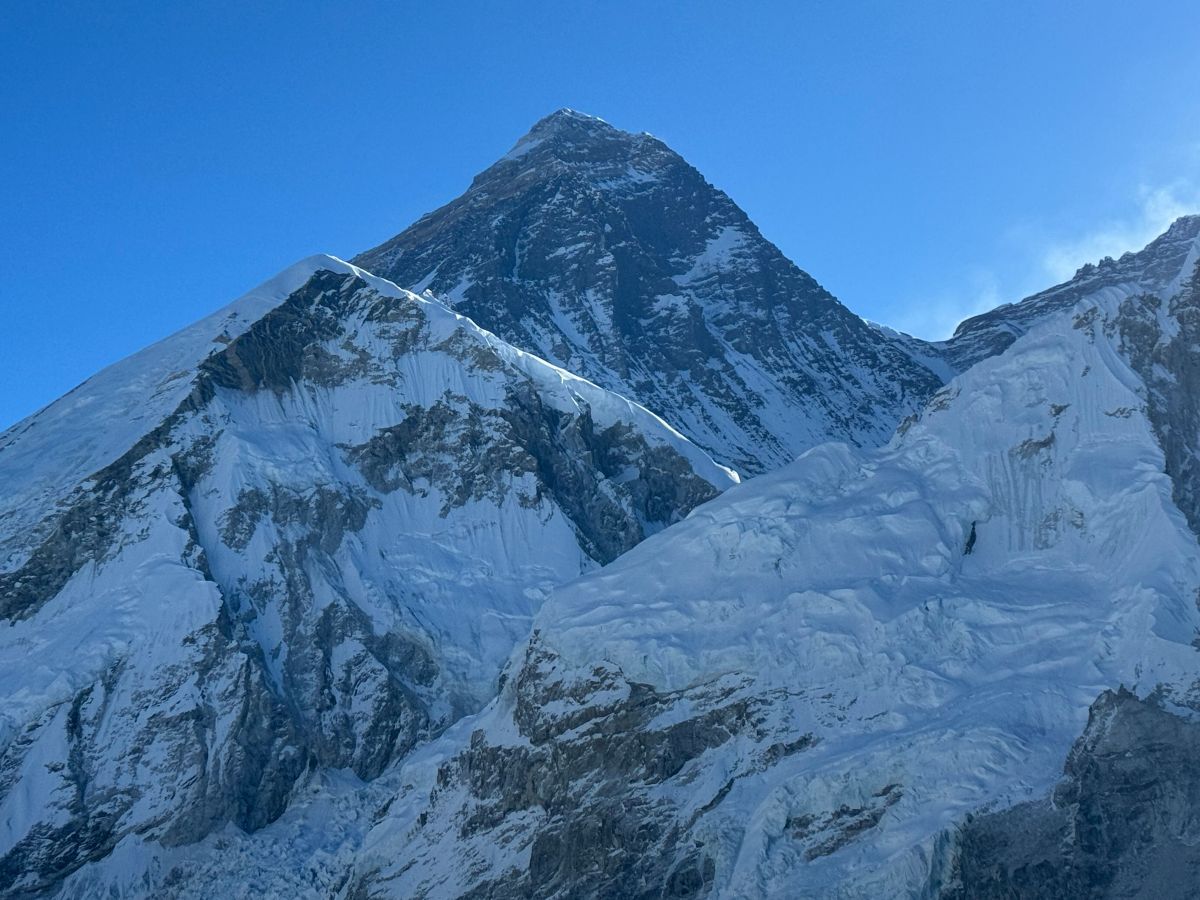
Many first-time trekkers are surprised to learn that the summit of Everest, at 8,848 metres, is hidden from Base Camp by the ridges of Nuptse and Lhotse. Base Camp gives you the glacier, the icefall and the atmosphere of an expedition, but the classic view of the mountain comes from Kala Patthar. That is why both are in your itinerary, and your guide may swap their order depending on the weather and how your group is feeling. The whole trek stays on the Nepal side of a mountain that belongs to two countries.
The trek costs USD 1,800 per person for a single traveller, and the price per person goes down as your group gets bigger, with groups of up to 20 welcome. The price is all-inclusive for the trek itself, which means that what you see here is what you pay for the services listed below.
When you compare trek prices, look at what is actually included. Some operators quote a lower headline price and then leave out meals, a porter, the pulse oximeter, private transfers or permits, which adds hundreds of dollars once you arrive. Others do not pay their guides and porters in full if a trekker turns back, which gives them a reason to push you past what is safe. At Trips Point our guides and porters are paid for the whole trip whether you reach Base Camp or not, so nobody on the trail has a reason to keep you going when you should turn around.
The trek is strenuous but not technical. You walk five to seven hours most days on uneven trails, you climb steadily for much of the first week, and you sleep in basic rooms in thin air. Altitude is the real challenge, and fitness alone does not protect you from it, because altitude illness can affect strong people as easily as beginners. We recommend eight to twelve weeks of preparation, built around hill walks with a loaded daypack, stair climbing, and cardio exercise three to four times a week. Wear your boots in well before you arrive, and arrive rested.
The itinerary includes two acclimatization nights, one in Namche Bazaar and one in Dingboche, and after Base Camp the route descends to Pheriche, where the HRA clinic is based. Your guide checks your oxygen saturation with a pulse oximeter before dinner on the higher nights, and he is trained in first aid and in the early signs of mountain sickness. If you need to descend, he will tell you, and because our team is paid in full either way, there is no pressure to continue. If an evacuation is needed, a helicopter can be arranged and is covered by your travel insurance, which is why the policy must include it. No itinerary can remove the risk completely, but this one is designed to lower it as far as it can.
You need the Sagarmatha National Park permit and the Khumbu Pasang Lhamu Rural Municipality permit, and we also provide the TIMS card. We arrange all of them for you before departure, and the cost is included in your trek price. All you need to bring is your passport and some passport photos.
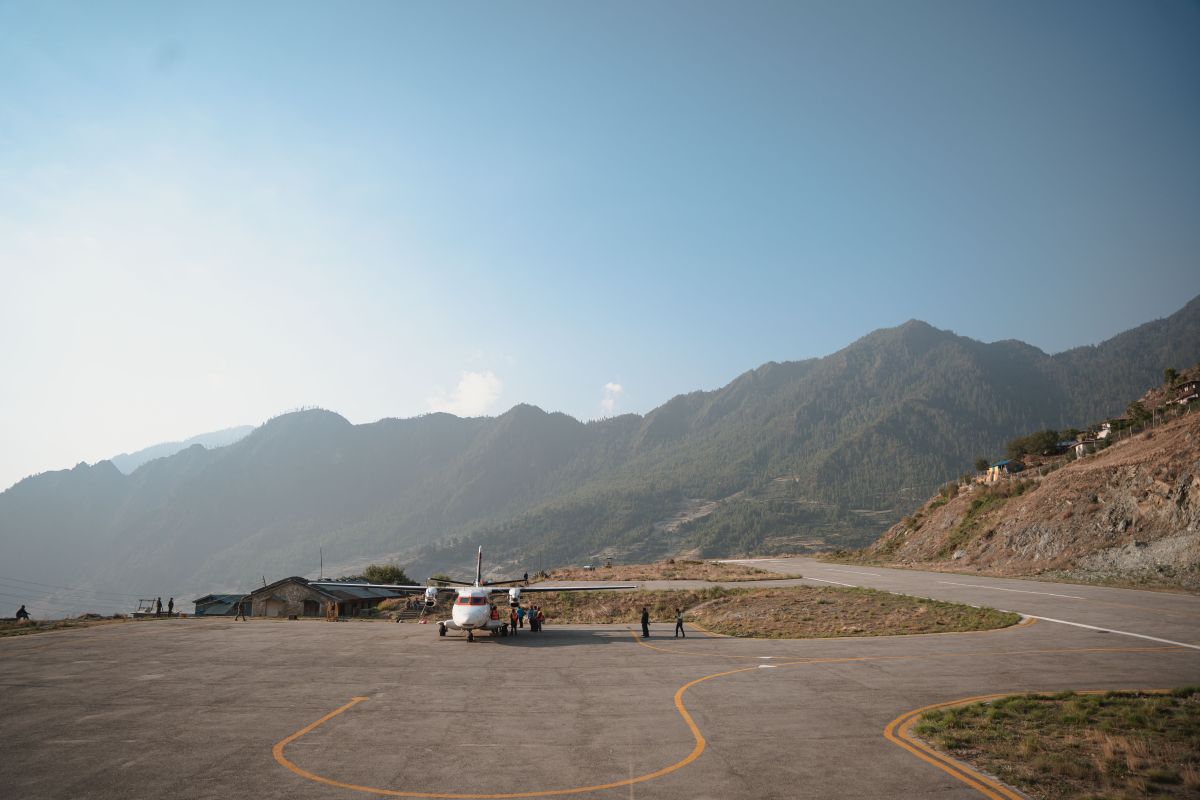
Lukla airport sits at 2,860 metres with a short sloped runway and no radar, so pilots must see the runway to land and flights operate only when the weather allows. Flights leave Kathmandu early, around 6 to 7 AM, before the afternoon clouds arrive, aboard a small 19-seat Twin Otter. About one in ten flights is delayed or cancelled on the day, and you may wait two to six hours at the airport. The airline makes the decision, not us.
For that reason we strongly recommend that you add two to three buffer days after your trek so a cancelled flight does not cost you your international connection. If you cannot wait, a shared helicopter is available for around USD 500 per person one way, takes about 50 minutes, and can fly when planes are grounded. It is not included in the price, and you pay only if you choose to use it.
On the day before you fly we go through your gear together at our office in Jamal. Anything you are missing can be rented from us for USD 1 per day per item, and we lend trekking poles if you do not own a pair. The essentials are a warm four season sleeping bag, a down jacket, a waterproof and windproof shell, well broken-in waterproof boots, a headlamp, thermal layers, gloves, a warm hat and sun protection.
Bring a daypack of around 30 to 35 litres for what you carry yourself, and keep your duffle under the porter limit of 20 kilograms. Your guide will confirm the baggage limit for the Lukla flight at the briefing, and anything you do not need on the trek can be stored safely at your Kathmandu hotel.
We are a government registered local agency with an office in Thamel, Kathmandu, and a 24 hour emergency line for trekkers on the trail. Your guide has led treks in the Everest region for at least seven years. A confirmed departure goes ahead regardless of how many people have booked, and you can see who is joining your fixed departure before you fly, with most groups chatting on WhatsApp weeks ahead. Our guides and porters are paid for the full trip, and when you reach out, you get a reply from real trekking experts rather than a bot.
If you search for the cost of an Everest Base Camp trek, you will find prices that range from under a thousand dollars to several thousand, and the difference is rarely explained. The honest answer is that the price depends on what is included, how many people share the trip, and how well the guides and porters are treated. At Trips Point the 14-day trek starts from USD 1,800 per person for a single traveller, and the price per person drops as your group grows, up to 20 trekkers.
What goes into the price is a long list of real costs. There are the two domestic flights between Kathmandu or Ramechhap and Lukla, which are a large share of the total. There are the Sagarmatha National Park permit, the Khumbu Pasang Lhamu Rural Municipality permit and the TIMS card. There are the wages, insurance, meals and lodging of your guide and porter, the 11 nights in teahouses, the two nights in Kathmandu, and all the airport transfers. Then there are meals on the trek, which at our price are three a day.
What the price does not include is just as important to understand before you compare. You pay separately for your international flights, your Nepal visa, which costs USD 30, 50 or 125 depending on whether you stay 15, 30 or 90 days, and your travel insurance with evacuation cover up to 6,000 metres. You also pay for drinks, hot showers, wifi, charging, laundry, snacks and tips along the way, plus lunch and dinner in Kathmandu. A sensible budget for the trail extras is between USD 100 and 150 for the whole trek, before tips.
When you compare quotes, ask each company the same questions. Are meals on the trek included, or do you pay for every plate? Is a porter included? Are permits and flights included? Are private transfers included? Does the guide carry a pulse oximeter? Are guides and porters paid in full if you turn back? A quote that looks USD 300 cheaper often leaves out several of these, and you end up paying more on arrival or taking a larger risk on the mountain.
If you want to save money, the best ways are to trek in a group, since the price per person falls with group size, and to bring your own gear rather than rent it. Our gear rental is USD 1 per day per item, which is cheap, but you still avoid it entirely if you own what you need. Do not save money by cutting acclimatization days, hiring unlicensed guides or skipping insurance, because those are the places where cost-cutting turns into danger. If you want a quote for your group size, message us on WhatsApp and we will send the exact figure.
If you search for the cost of an Everest Base Camp trek, you will find prices that range from under a thousand dollars to several thousand, and the difference is rarely explained. The honest answer is that the price depends on what is included, how many people share the trip, and how well the guides and porters are treated. At Trips Point the 14-day trek starts from USD 1,800 per person for a single traveller, and the price per person drops as your group grows, up to 20 trekkers.
What goes into the price is a long list of real costs. There are the two domestic flights between Kathmandu or Ramechhap and Lukla, which are a large share of the total. There are the Sagarmatha National Park permit, the Khumbu Pasang Lhamu Rural Municipality permit and the TIMS card. There are the wages, insurance, meals and lodging of your guide and porter, the 11 nights in teahouses, the two nights in Kathmandu, and all the airport transfers. Then there are meals on the trek, which at our price are three a day.
What the price does not include is just as important to understand before you compare. You pay separately for your international flights, your Nepal visa, which costs USD 30, 50 or 125 depending on whether you stay 15, 30 or 90 days, and your travel insurance with evacuation cover up to 6,000 metres. You also pay for drinks, hot showers, wifi, charging, laundry, snacks and tips along the way, plus lunch and dinner in Kathmandu. A sensible budget for the trail extras is between USD 100 and 150 for the whole trek, before tips.
When you compare quotes, ask each company the same questions. Are meals on the trek included, or do you pay for every plate? Is a porter included? Are permits and flights included? Are private transfers included? Does the guide carry a pulse oximeter? Are guides and porters paid in full if you turn back? A quote that looks USD 300 cheaper often leaves out several of these, and you end up paying more on arrival or taking a larger risk on the mountain.
If you want to save money, the best ways are to trek in a group, since the price per person falls with group size, and to bring your own gear rather than rent it. Our gear rental is USD 1 per day per item, which is cheap, but you still avoid it entirely if you own what you need. Do not save money by cutting acclimatization days, hiring unlicensed guides or skipping insurance, because those are the places where cost-cutting turns into danger. If you want a quote for your group size, message us on WhatsApp and we will send the exact figure.
The best time to trek to Everest Base Camp depends on what you want to see, how much cold you can handle and how many people you are happy to share the trail with. The two classic windows are spring, from March to May, and autumn, from September to November, and both give you the most stable weather and the best views.
Spring begins with cold nights in March, gets warmer through April, and reaches its peak in May. The lower trail is full of blooming rhododendron, the skies are bright, and Base Camp is busy with expedition tents in April and May, which is the only time you can see climbers preparing for the summit. The downside is that the trails and teahouses are crowded, and flights run through Ramechhap for much of the season.
Autumn is the most popular season, because the monsoon has washed the air clean and the days are clear and steady. October is often the most reliable month, with long views and mild days, although nights above 4,000 metres are always cold. November is quieter and colder, and by the end of the month some higher lodges begin to close.
Winter, from December to February, is cold enough to drop temperatures below minus 20 degrees Celsius at the highest points. The trails are almost empty and the views are crisp, but you need serious gear and good cold-weather experience, and some teahouses close. The monsoon, from June to August, brings rain, leeches on the lower trail and heavy cloud that often hides the mountains, so we do not recommend it for a first trek, although the trails are very quiet.
If you are unsure which month suits you, choose October or late April and early May for the best combination of clear weather and active mountain atmosphere. Whichever month you choose, add buffer days at the end of your trip, because Lukla flights can be delayed in any season.
What's included
Itinerary
Your booked date is your arrival day, so if you book for the 5th of October you land in Kathmandu on the 5th and fly to Lukla on the 6th. Walking finishes on Day 12, the flight back to Kathmandu is Day 13, and your departure is Day 14. Most walking days take five to seven hours. The longest is Day 10, and your guide can adjust the plan for weather or group pace.
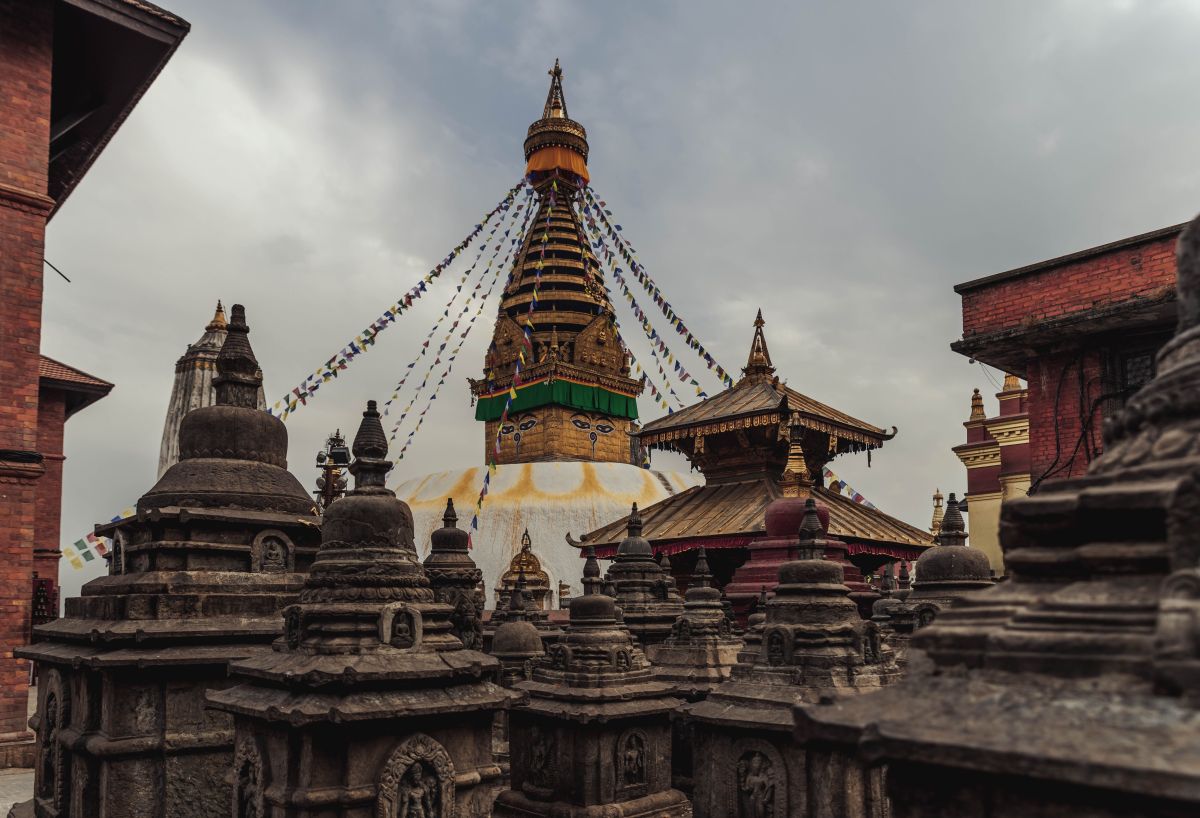
We meet you at the airport and take you to your hotel. The rest of the day is yours to recover from the journey, walk through Thamel, and sort out any last pieces of gear. Your guide will sit down with you for the office briefing at our Jamal office, covering the route, the altitude plan, a gear check and the weather outlook for your dates.
The mountain flight takes roughly 35 to 40 minutes. You meet your porter in Lukla, then walk gently downhill and along the river to Phakding, about four hours in total. In the busy months of mid March to mid May and mid September to mid December, flights leave from Ramechhap, so the day begins with an overnight start from Kathmandu at around 1:00 AM. We always try to secure a direct flight from Kathmandu when one is available.
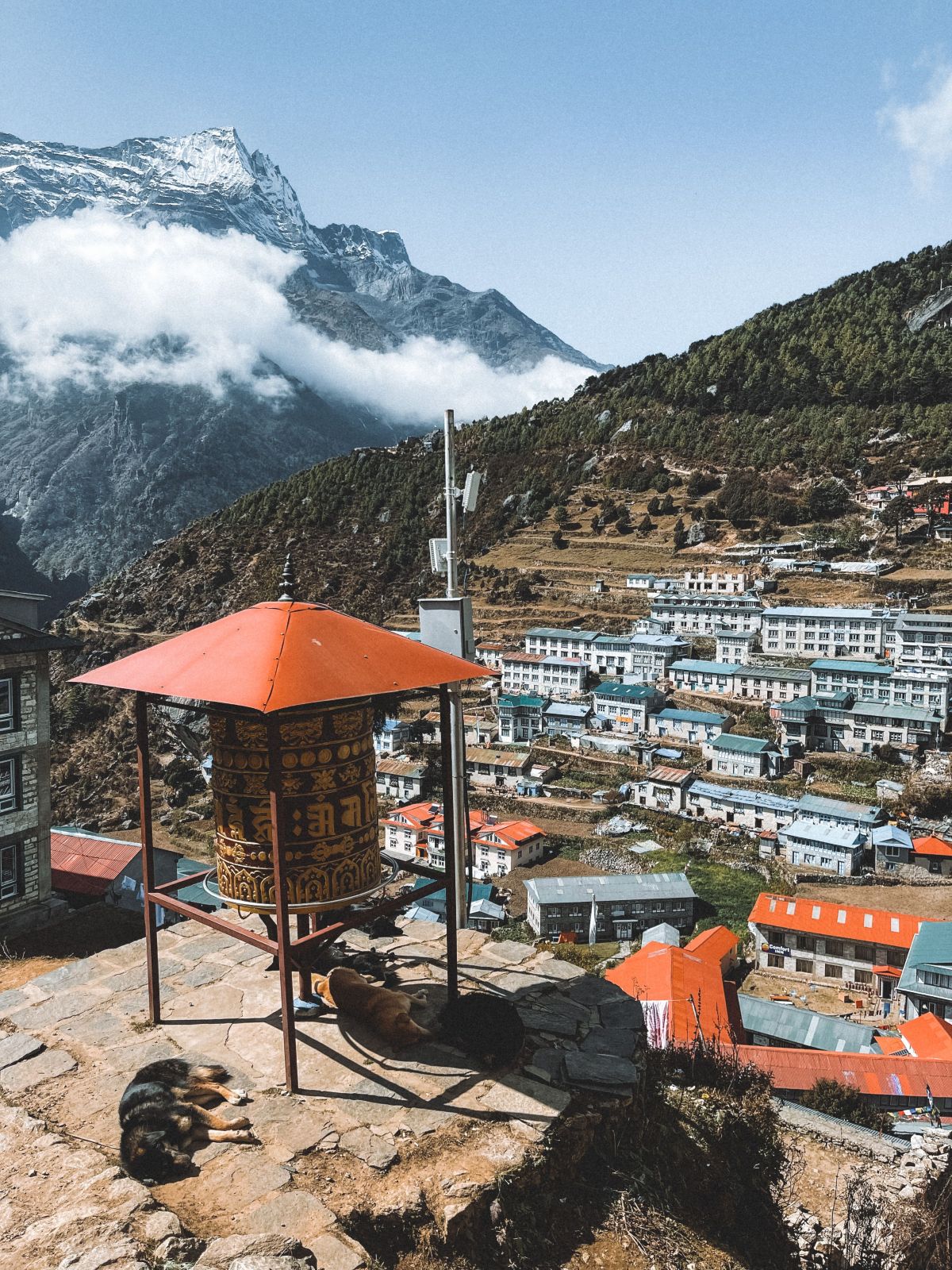
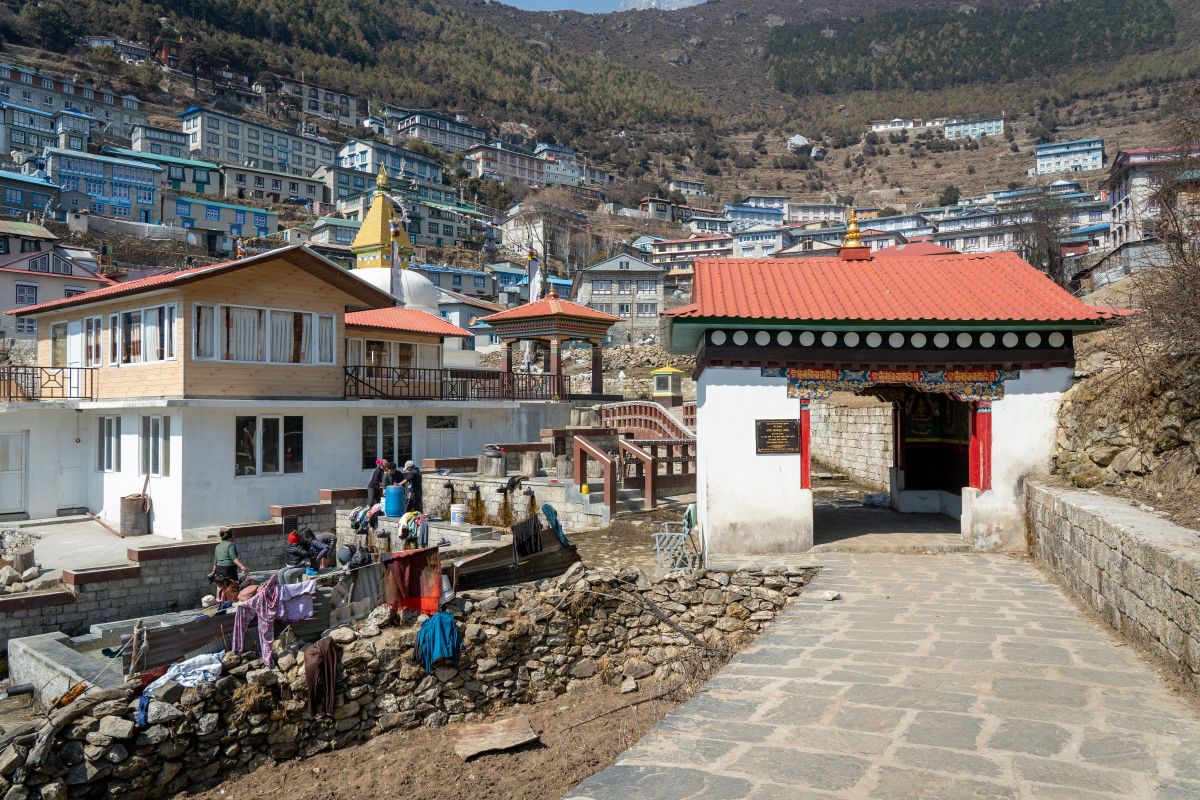
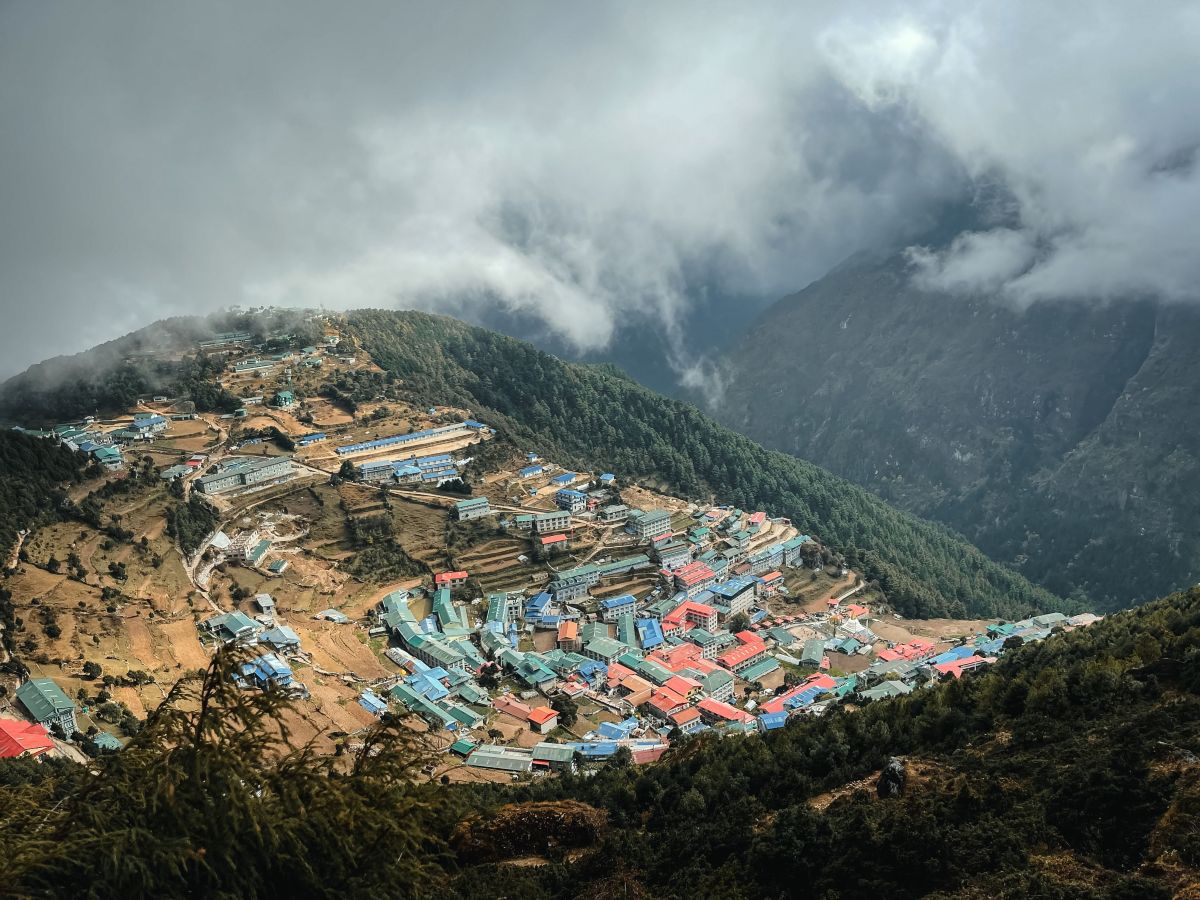
Expect five to six hours of walking. The trail crosses several suspension bridges and enters Sagarmatha National Park, then climbs steeply for the last stretch into Namche Bazaar. The reward is your first views of the high Himalaya and a town full of bakeries, gear shops and cafes.
You spend a second night at the same height, which is the part that protects you. After breakfast you walk up toward the Everest View Hotel for early views of Everest, Lhotse and Ama Dablam, then return to the same lodge for lunch and rest. The walk takes three to four hours.
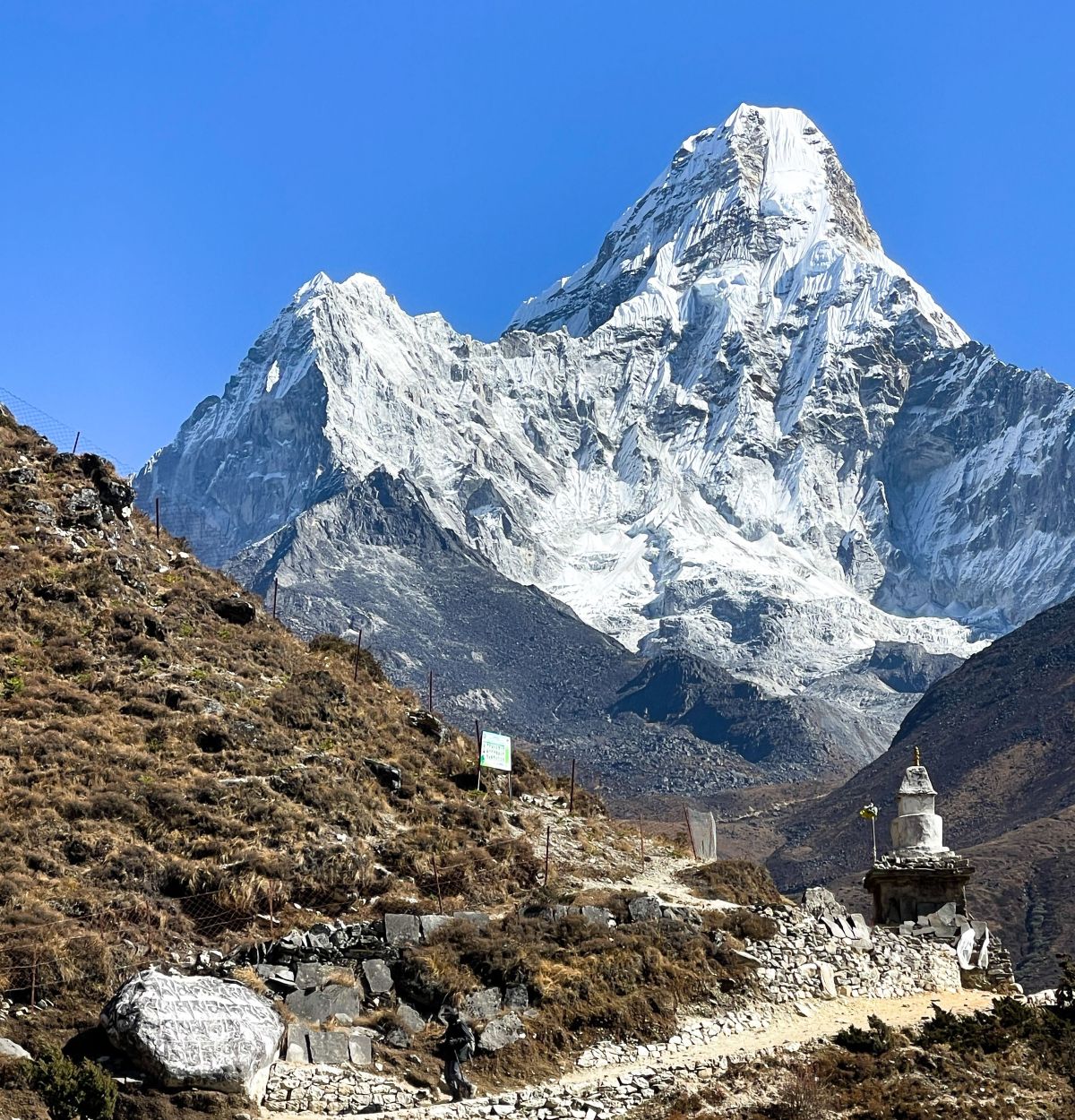
The walk takes five to six hours through rhododendron and pine forest, with a long descent to the river and a final climb to Tengboche. In the afternoon you visit the monastery, with Ama Dablam rising behind it.
The trees thin out and the valley opens into wide alpine country. This day takes four to five hours, and you will begin to feel the thinner air, so your guide will have you walk slowly and drink plenty of water.
You climb the ridge of Nangkartshang above the village for three to four hours, then come back down to sleep at the same elevation. This climb and return pattern is one of the most effective ways to prepare your body for the higher nights to come.
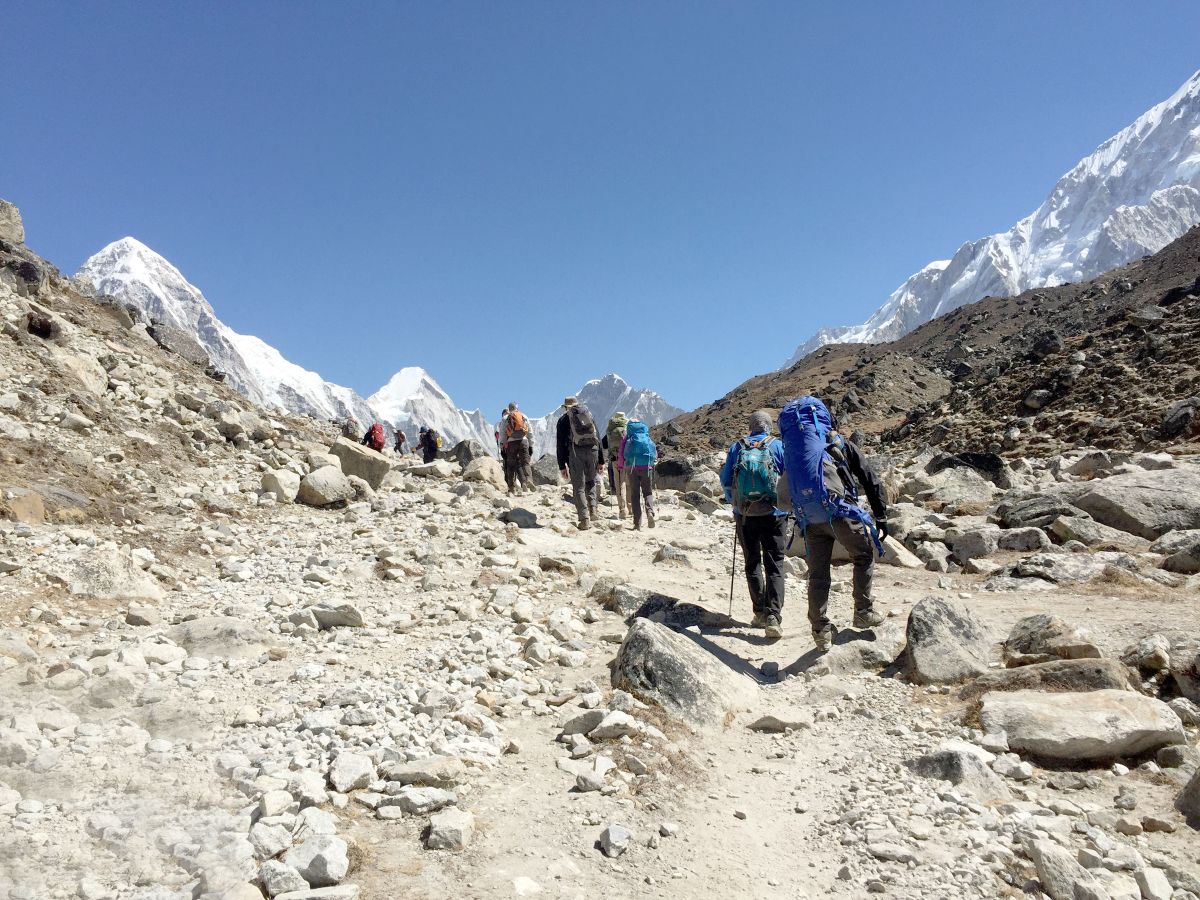
This four to five hour day follows the Khumbu valley, passing the memorial cairns at Thukla Pass. Your guide checks your oxygen saturation with a pulse oximeter before dinner on this and the higher nights.
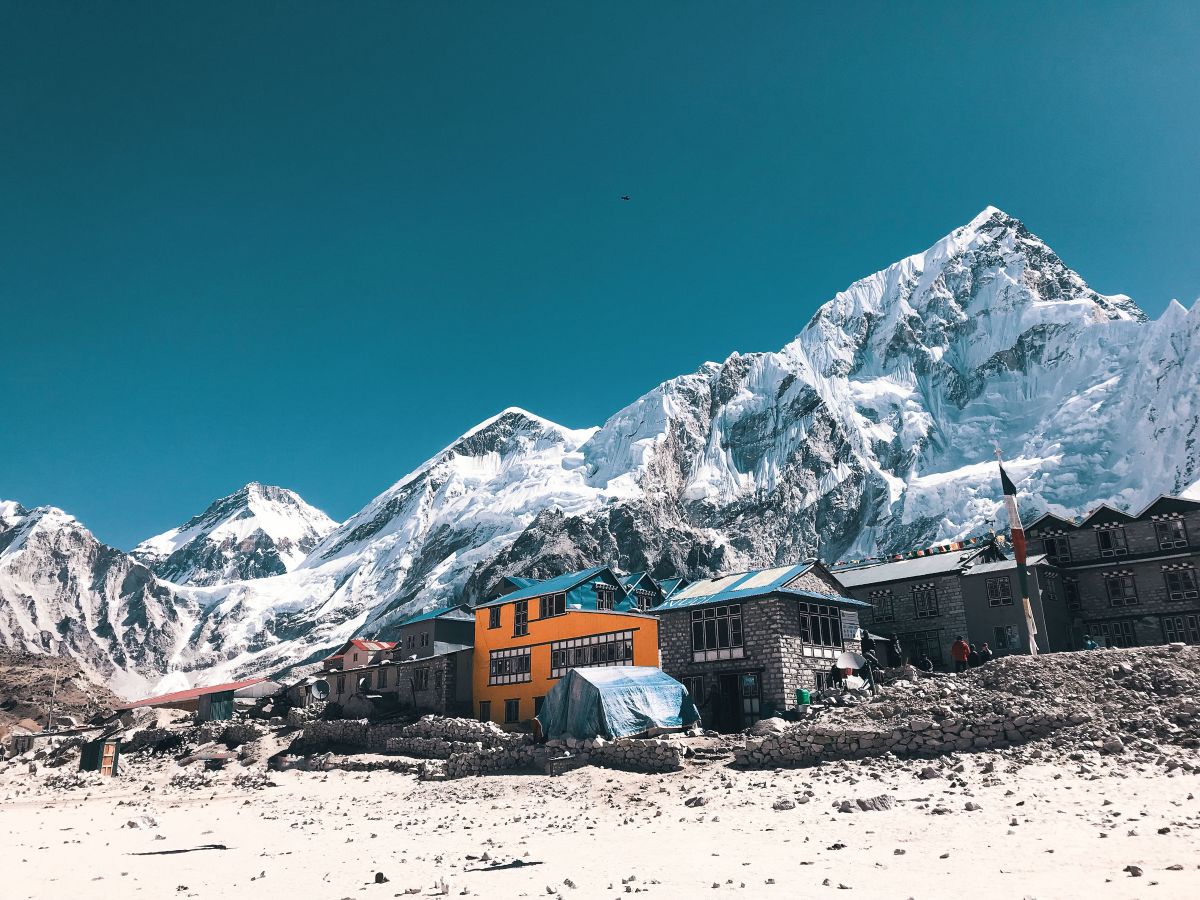
The walk to Gorakshep takes about six to seven hours including the afternoon climb of Kala Patthar. You arrive, rest, eat, and then go up to the viewpoint at 5,545 metres for the sunset view of Everest, which is the highest point of the trek.
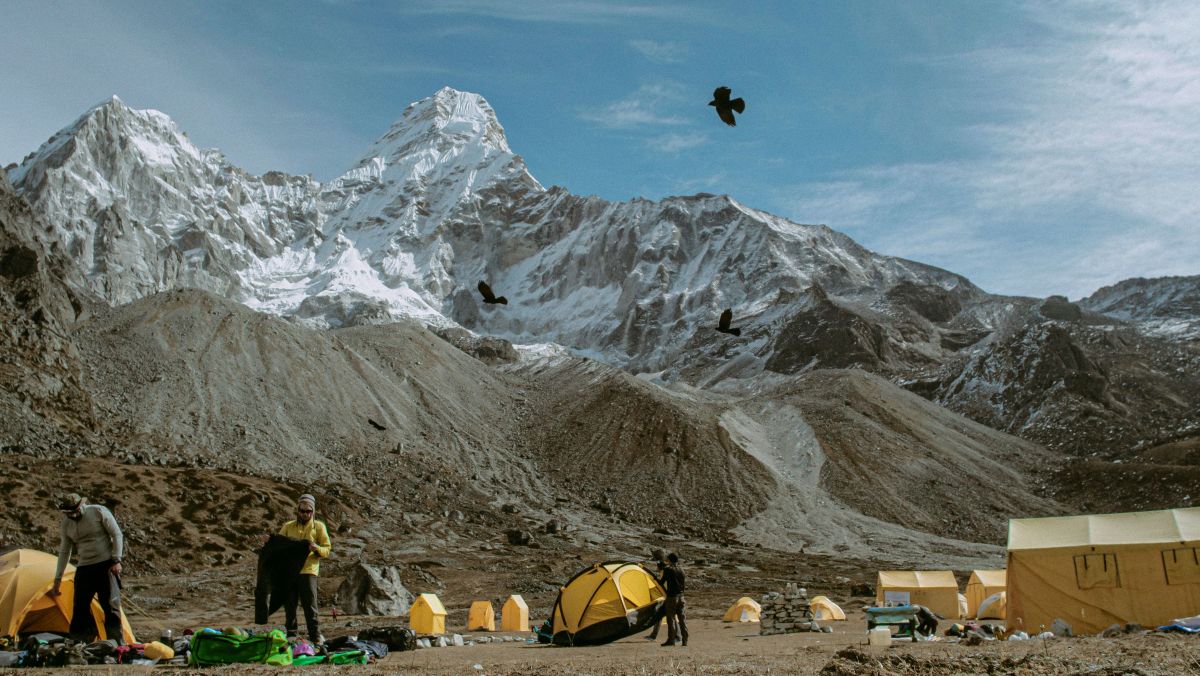
This is the longest day, at eight to nine hours. After an early breakfast you walk along the glacier moraine to Everest Base Camp at 5,364 metres, then return to Gorakshep and continue down to Pheriche. You sleep nearly 800 metres lower, which helps your recovery, and the HRA clinic in Pheriche has treated altitude illness since 1973.
The air thickens quickly on this six to seven hour descent, and most people feel their energy return. A hot meal and a good night of sleep wait in Namche.
The final day of walking takes about seven hours, mostly downhill. In Lukla you celebrate with your guide and porter, who have walked every step of the trek beside you.
The flight takes about 30 minutes, and you spend the afternoon free in the city. This is why we recommend adding buffer days after the trek, which is explained in the Lukla flight section below.
We transfer you to the airport for your flight home.
Frequently Asked Questions
How much time does the Everest Base Camp Trek, 14 Days from Kathmandu take?
Everest Base Camp Trek, 14 Days from Kathmandu duration is 14 days.
Book Everest Base Camp Trek, 14 Days from Kathmandu now just with Booking Deposit on TripsPointHow many days in advance I must book Everest Base Camp Trek, 14 Days from Kathmandu?
You can book Everest Base Camp Trek, 14 Days from Kathmandu at least in 2 days. Check availability calendar in "Book Now" form to see currently available dates.
Book Everest Base Camp Trek, 14 Days from Kathmandu now just with Booking Deposit on TripsPointtraveler reviews
You may also like
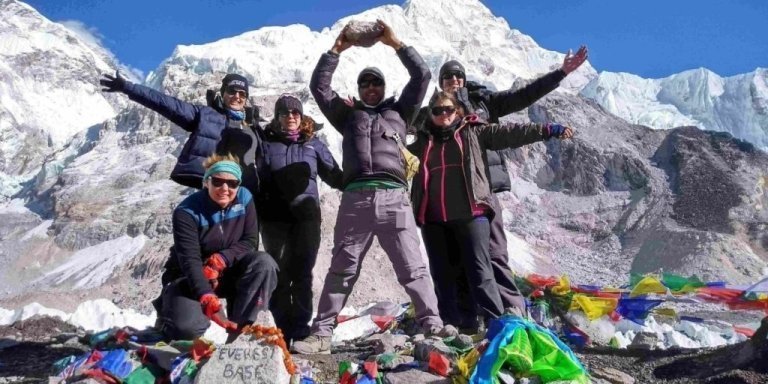
Mount Everest Base Camp Trek is adventurous tour package right on the foot of World’s highest mountain cliff. EBC is an exciting place and gives lifetime experience to observe nature in the snowy m Read more ➤
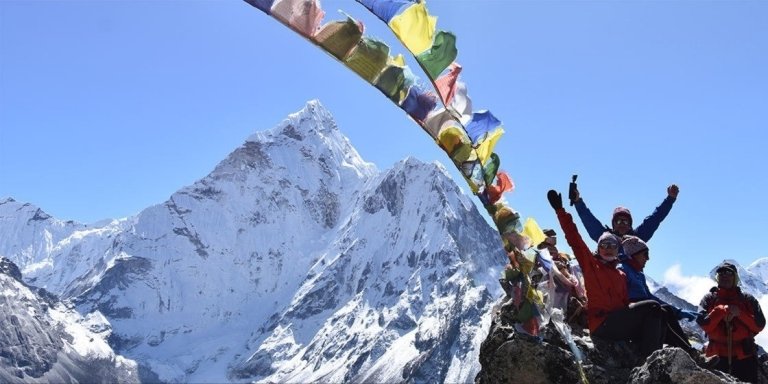
Everest Base Camp Trek, is one of the foremost prevalent and unforgettable experience goals within the Himalayas. The landscape is impressive, bright peaks,impressive glaciers, ancient and precious Read more ➤
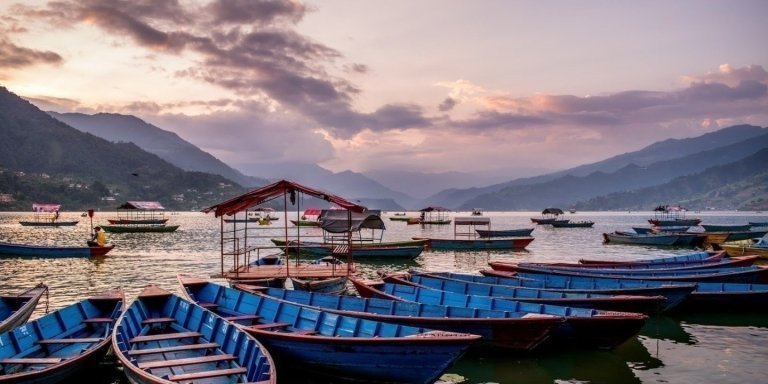
Nepal is located between India and Tibet, Nepal offers a fantastic array of attractions for tourists. It is best known as the home of the Mt. Everest but there is much more to the country than just Read more ➤
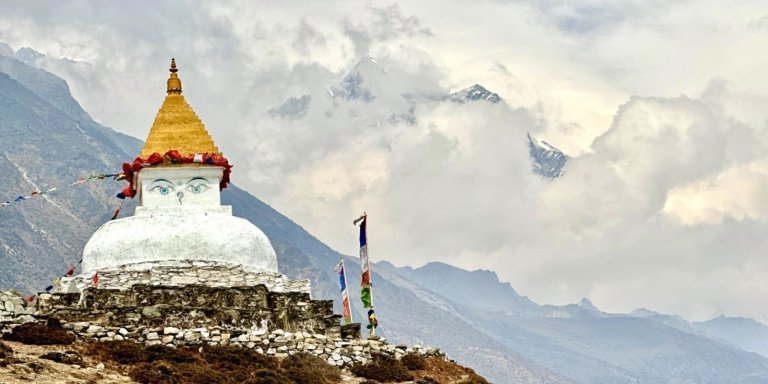
The Everest Base Camp Trek is a thrilling journey through Nepal's striking Himalayan landscapes and vibrant Sherpa culture. Traversing through lush forests and across pristine rivers, this adventure Read more ➤
Delve deep into the beautiful cultural and natural diversities of Nepal’s three main regions —Kathmandu, Pokhara, and Chitwan on this nine-day Best of Nepal Tour. This amazing tour takes you to some of Read more ➤