


Duration: 7 days
This Tanzanian safari allows you to explore Lake Manyara, Serengeti, Ngorongoro Crater, and Tarangire National Park. You will be able to witness the local migration of elephants, the ancient baobab Read more ➤
We stand together! Support Ukraine against Russian aggression!

Overview
Take a 2-day safari to Lake Manyara and Ngorongoro Crater. Experience stunning views, spot tree-climbing lions, and see a variety of wildlife including the Big Five. This adventure is perfect for nature lovers, offering amazing photo opportunities and unforgettable memories.
Highlights
Description
Lake Manyara National Park, located in northern Tanzania, is one of the country’s most diverse and scenic parks. Situated at the base of the Great Rift Valley, it covers an area of approximately 330 square kilometers, with nearly one-third of the park being covered by the shimmering waters of Lake Manyara, a soda lake that gives the park its name. Lake Manyara is well-known for its stunning landscapes, varied wildlife, and unique ecosystem, making it a must-visit destination for nature lovers and wildlife enthusiasts.
Lake Manyara National Park is renowned for its dramatic landscapes. The park offers a stunning mix of different environments, including lush forests, grasslands, soda lake, and woodland areas. The Great Rift Valley escarpment, which rises sharply from the floor of the valley, forms the park's western boundary, offering sweeping views of the lake and surrounding landscapes.
One of the most striking features of the park is the lake itself, which is a key habitat for many species of birds, especially flamingos, who flock to the lake’s shallow waters. The park's freshwater wetlands also attract a variety of other waterbirds, including pelicans, herons, and storks, making it a paradise for birdwatching enthusiasts.
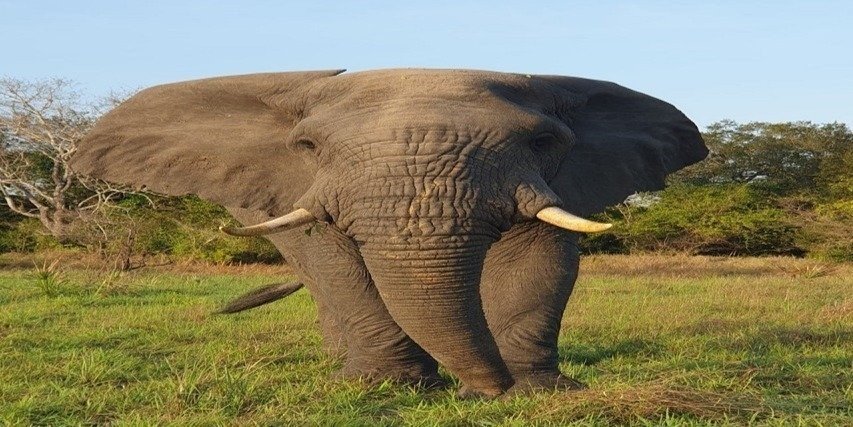
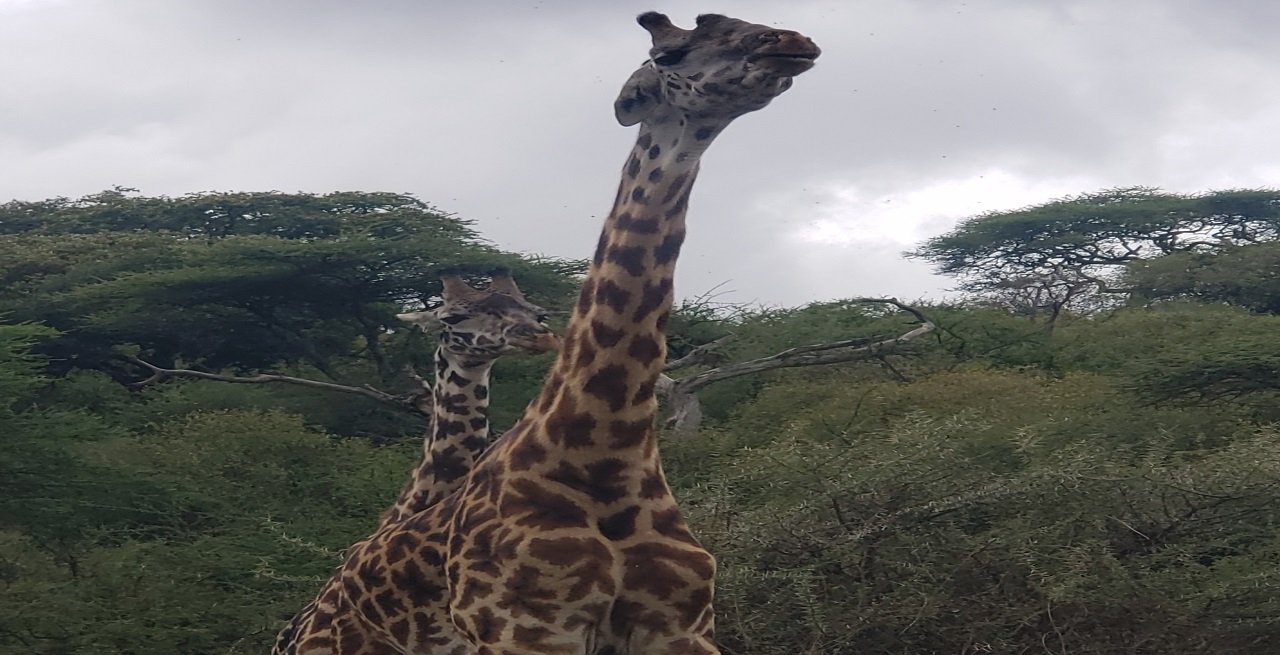
Lake Manyara National Park is home to an incredible diversity of wildlife, making it a fascinating place for safaris. The park supports a variety of habitats that allow different species of animals to thrive. Here, visitors can encounter a variety of large mammals, including elephants, giraffes, buffaloes, zebras, and impalas.
One of the park's unique attractions is its famous tree-climbing lions. While the lions of the Serengeti and Ngorongoro are often seen on the ground, the lions in Lake Manyara are known for their behavior of climbing and resting in the trees, particularly the large acacia trees. This unusual behavior is still not entirely understood, but it is a rare sight that draws many visitors.
In addition to the large mammals, the park is also home to a variety of smaller animals, such as baboons, monkeys, hyenas, and a variety of antelope species, including kudu and waterbuck. Leopards and cheetahs can also be spotted, though they are more elusive.
Lake Manyara is one of Tanzania's premier birdwatching locations, with over 400 species of birds recorded. The park's wetlands and the lake itself attract a vast range of bird species. During the wet season, the lake fills up and becomes home to greater and lesser flamingos, as well as pelicans, cormorants, and waterfowl. The birdlife in the park is particularly abundant in the birdwatching hotspots near the lake's shore and in the woodland areas.
Visitors to Lake Manyara can enjoy a range of activities within the park, including:
The Ngorongoro Crater is one of the most iconic and breathtaking natural wonders in Tanzania and a UNESCO World Heritage Site. Located in the Great Rift Valley, it is the world’s largest intact volcanic caldera, measuring about 20 kilometers (12 miles) across and 600 meters (2,000 feet) deep. The crater was formed millions of years ago when a massive volcano erupted and collapsed on itself, creating a bowl-like depression that is now home to an extraordinary concentration of wildlife.
The Ngorongoro Crater is often called the "Garden of Eden" because of its diverse and abundant wildlife. The rich volcanic soil and the presence of a lake at the bottom of the crater create an ideal environment for both animals and plant life. It is home to a wide variety of animals, including some of the highest concentrations of large predators in Africa, making it a top destination for wildlife enthusiasts.
One of the unique features of Ngorongoro Crater is the chance to see a wide range of animals in a relatively small area, which is why it's sometimes referred to as a "natural zoo." The crater is home to approximately 30,000 large animals, including the Big Five—lions, elephants, buffaloes, leopards, and rhinos—making it one of the best places in Tanzania to see these animals in their natural habitat.
In addition to large mammals, the crater is also a haven for a variety of bird species, including flamingos, ostriches, and the endangered vulture species. The crater’s lake, with its saline water, attracts a wide variety of birdlife throughout the year.
The landscape of Ngorongoro Crater is nothing short of spectacular. The crater floor is dotted with savannahs, acacia woodlands, and a lake, providing visitors with sweeping views of the area. The steep crater walls that rise around the floor are covered with lush greenery, adding to the dramatic beauty of the location. This stunning scenery makes Ngorongoro one of the most photographed wildlife destinations in the world.
A visit to Ngorongoro Crater is an exceptional opportunity for photography, whether you’re capturing the wildlife or the magnificent landscapes. The crater’s relatively small size (compared to other game reserves) makes it an ideal spot for getting great shots of animals and the surrounding scenery.
What's included
Itinerary
Your adventure begins with an early departure from your Arusha/Moshi hotel after breakfast, heading directly to Lake Manyara National Park. The drive takes approximately 2 hours, passing through the vibrant town of Mto Wa Mbu. A quick stop at the village market offers a chance to experience the local culture before you enter the park.
Lake Manyara is renowned as one of the best places for photography and game viewing in the world. The park’s stunning landscapes, from the lush forests to the shores of the lake, create a picturesque backdrop for your safari. The park is famous for its tree-climbing lions, which you may be lucky enough to see lounging in the acacia trees. The Big Five (lions, elephants, buffaloes, leopards, and rhinos) are commonly spotted here as well.
For bird enthusiasts, Lake Manyara is a paradise. The park boasts an impressive array of bird species, including flocks of flamingos, circling birds of prey, and the colorful lilac-breasted roller. After a day filled with exciting game drives and birdwatching, you’ll continue on your journey to the Ngorongoro Crater for your next adventure.
After a hearty breakfast, you’ll make your way from Lake Manyara National Park to the Ngorongoro Conservation Area. The drive takes you through scenic landscapes and offers a glimpse of the vastness of the Ngorongoro Crater.
Ngorongoro Crater, often referred to as the 8th Wonder of the World, is home to over 120 species of mammals, including the Big Five. The crater floor is a wildlife haven, with animals like the black rhinoceros, hippopotamuses, lions, leopards, cheetahs, zebras, and wildebeests. From your open-roof jeep, you’ll have a perfect vantage point to capture stunning photographs of the animals in their natural habitat.
The crater is also home to many predators, including hyenas, jackals, and wild dogs, as well as a large number of antelope and Cape buffalo. After an exciting game drive in the crater, you’ll enjoy a picnic lunch while surrounded by nature. Later, you’ll drive back to Moshi/Arusha, concluding your unforgettable wildlife safari.
Frequently Asked Questions
How much time does the Lake Manyara & Ngorongoro Crater Safari | Wildlife Adventure take?
Lake Manyara & Ngorongoro Crater Safari | Wildlife Adventure duration is 2 days.
Book Lake Manyara & Ngorongoro Crater Safari | Wildlife Adventure now just with Booking Deposit on TripsPointHow many days in advance I must book Lake Manyara & Ngorongoro Crater Safari | Wildlife Adventure?
You can book Lake Manyara & Ngorongoro Crater Safari | Wildlife Adventure at least in 2 days. Check availability calendar in "Book Now" form to see currently available dates.
Book Lake Manyara & Ngorongoro Crater Safari | Wildlife Adventure now just with Booking Deposit on TripsPointtraveler reviews
You may also like
This Tanzanian safari allows you to explore Lake Manyara, Serengeti, Ngorongoro Crater, and Tarangire National Park. You will be able to witness the local migration of elephants, the ancient baobab Read more ➤
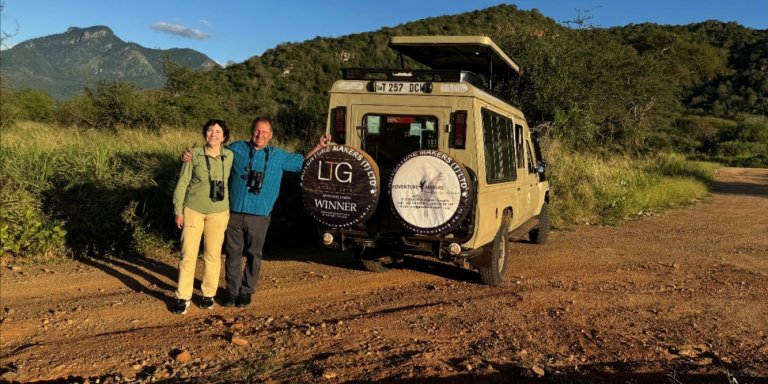
A pocket friendly wildlife adventure, sleeping “under canvas” as you journey through to Serengeti National Park after taking in the best of the northern safari circuit. Each day after rising with the daw Read more ➤
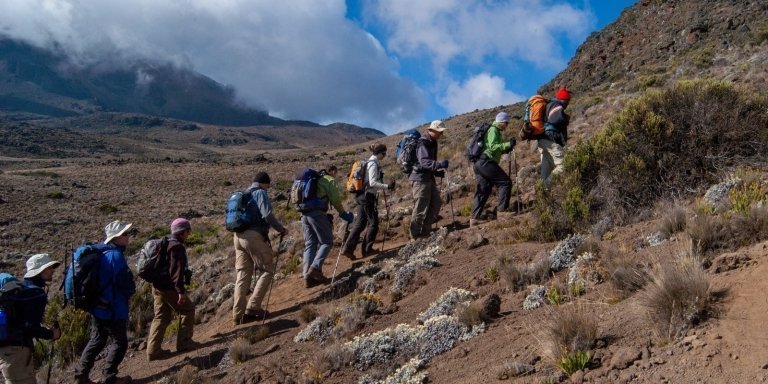
Tanzania Dakado Adventures 8 Days| 7 Nights Dakado Kilimanjaro Hiking Tour via Lemosho, it is considered the most scenic trail on Kilimanjaro, granting panoramic visitors on various s ides of the Read more ➤
7 Days Kilimanjaro Lemosho Route - Dakado climbing up to Uhuru peak. 7 days variation combines 5 and 6 days, going from Barranco Camp to Barafu Camp without staying at Karanga, day 8 variation that Read more ➤
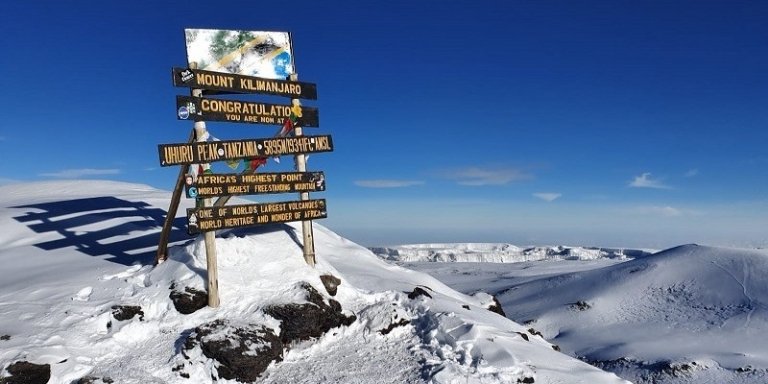
Incredible 6 Days Kilimanjaro Trekking Dakado Agency Lemosho Route. The route approaches Mount Kilimanjaro from the west, beginning with a long drive from Moshi to Londorossi Gate, the first two days Read more ➤